
Healthy Eating
The Role of Healthy Eating in Boosting Immunity

Boosting immunity with diet isn’t just trendy wellness talk, it’s your body’s most reliable defense system getting the fuel it needs to keep you healthy year-round.
Your immune system works 24/7, and what you eat directly impacts how well it performs. Think of it like training for a marathon. You wouldn’t fuel up on junk food and expect peak performance, right?
What Makes Immune-Boosting Foods So Powerful?
The magic happens at the cellular level. Immune-boosting foods contain specific compounds that help your white blood cells function optimally, reduce inflammation, and create an environment where harmful pathogens struggle to survive.
Vitamin C acts like your immune system’s personal trainer, supporting everything from collagen synthesis to wound healing.
But here’s what most people don’t know. Your body can’t store vitamin C, so you need a steady supply from citrus fruits, berries, and leafy greens.
Antioxidants work like your body’s cleanup crew, neutralizing free radicals that can weaken immune function. These compounds are found in colorful fruits and vegetables, giving them their vibrant hues.
How Does Your Gut Impact Immune Function?
Here’s something that blew my mind when I first learned it – about 70% of your immune system lives in your gut. That makes your healthy gut the command center for immune defense.
Probiotics from fermented foods like yogurt, kimchi, and kombucha help maintain the delicate balance of beneficial bacteria. These good bacteria train your immune system to recognize threats and respond appropriately.
The gut-brain axis also means that stress directly impacts your gut health, which then affects immunity. It’s all connected, which is why holistic gut health takes such a comprehensive approach.
Which Superfoods Pack the Biggest Immune Punch?
Let me share some nutrient powerhouses that consistently show up in immune-supporting research:
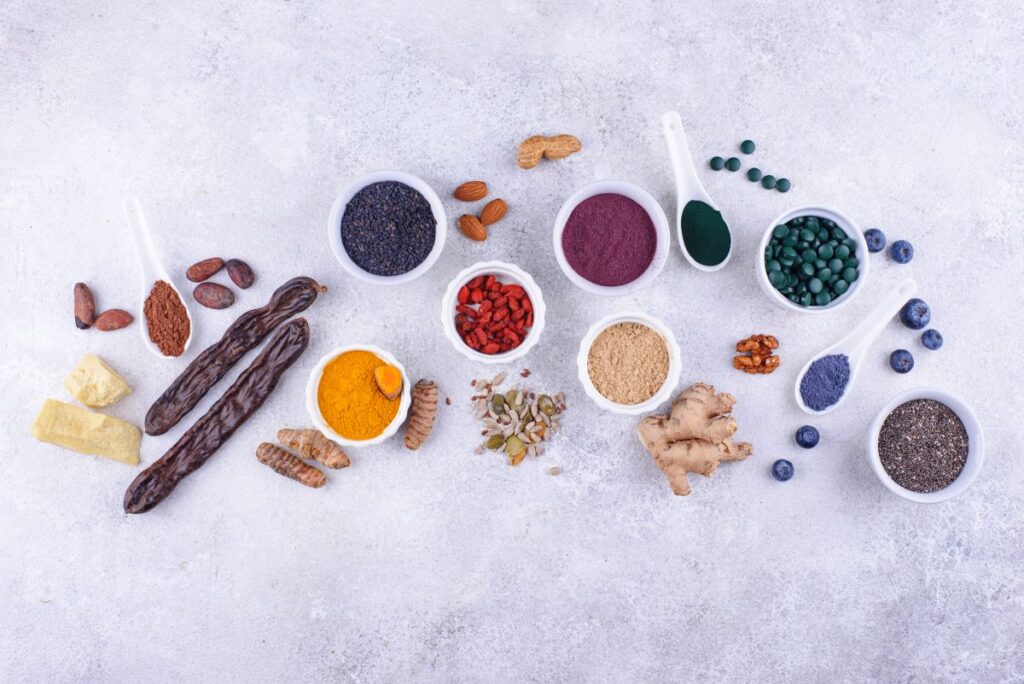
Garlic and Ginger: These aren’t just flavor enhancers. Garlic contains allicin, a compound with antimicrobial properties, while ginger offers anti-inflammatory benefits that support overall immune function.
Turmeric: The golden spice contains curcumin, which helps regulate immune responses and reduces chronic inflammation that can weaken your defenses.
Green Tea: Packed with catechins and EGCG, green tea provides antioxidant protection while supporting healthy immune cell function.
Zinc-Rich Foods: This mineral is crucial for immune cell development and function. You’ll find it in seeds, nuts, and lean proteins.
What Role Do Omega-3 Fatty Acids Play in Immunity?
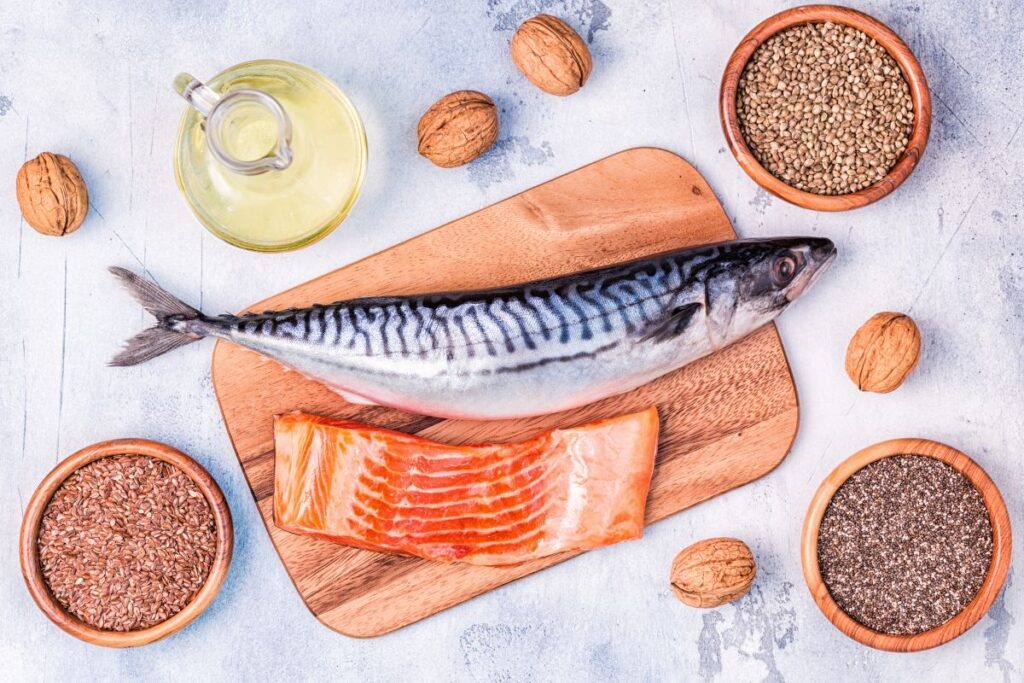
Omega-3 fatty acids from fish, chia seeds, and flaxseeds don’t just support heart health – they’re anti-inflammatory powerhouses that help your immune system respond appropriately to threats without overreacting.
These essential fats help produce specialized molecules called resolvins, which help resolve inflammation once a threat has been neutralized. It’s like having a smart immune system that knows when to turn on and when to turn off.
How Can You Build a Balanced Diet for Immune Support?
Creating an immune-supporting eating pattern is about consistency with nutrient-rich foods. Here’s my practical approach:
Start each meal with a foundation of leafy greens like spinach, kale, or arugula. These provide folate, vitamin K, and numerous antioxidants.
Add a variety of colorful fruits and vegetables to ensure you’re getting diverse phytochemicals. Berries provide anthocyanins, orange vegetables offer beta-carotene, and cruciferous vegetables supply sulfur compounds.
Include quality protein sources that provide amino acids necessary for antibody production. The role of good nutrition in wound healing shows how protein supports immune function during recovery.
Should You Consider Herbal Supplements for Immune Support?
While whole foods should be your foundation, certain herbal supplements can provide concentrated immune support. Elderberry, echinacea, and astragalus have traditional uses and some research backing their immune benefits.
However, supplements work best when combined with a nutrient-dense diet, not as replacements for healthy eating. Three super herbs for super health explores how to incorporate these powerfully into your routine.
The key is working with a healthcare provider to determine what makes sense for your individual needs, especially if you have existing health conditions or take medications.
Why Does Vitamin D Matter for Immune Function?
Vitamin D acts more like a hormone than a traditional vitamin, and it plays a crucial role in immune regulation. Deficiency has been linked to increased susceptibility to infections and autoimmune conditions.
While sunlight exposure helps your body produce vitamin D, food sources like fatty fish, fortified foods, and mushrooms can contribute to your intake. Many people benefit from supplementation, especially during winter months.
How Do Anti-Inflammatory Foods Support Immunity?
Chronic inflammation can exhaust your immune system, making it less effective at fighting real threats. Anti-inflammatory foods help keep this response balanced and appropriate.
Foods rich in polyphenols, flavonoids, and carotenoids help modulate inflammatory pathways. Think colorful produce, herbs, spices, and foods like healing foods that fight inflammation.
The Mediterranean eating pattern, rich in olive oil, fish, nuts, and produce, provides an excellent template for anti-inflammatory eating that supports immune function.
What About Hydration and Immune Health?

Water doesn’t get enough credit for immune support, but proper hydration helps your lymphatic system transport immune cells throughout your body. It also helps maintain healthy mucous membranes, which are your first line of defense against pathogens.
Herbal teas provide hydration plus additional immune-supporting compounds. Green tea, ginger tea, and elderberry tea offer both fluid and beneficial plant compounds.
Ready to Strengthen Your Immune System Through Smart Food Choices?
Boosting immunity with diet is about creating sustainable habits that support your body’s natural defense mechanisms.
Focus on nutrient-dense whole foods, maintain a healthy gut microbiome, and remember that consistency matters more than perfection.
Your immune system responds to the cumulative effect of your daily choices. Every colorful meal, every probiotic-rich food, and every antioxidant-packed snack contributes to your body’s ability to keep you healthy and thriving.
FAQs
What foods boost immunity fastest? Citrus fruits, berries, leafy greens, garlic, and yogurt provide quick-acting immune support through vitamin C, antioxidants, and probiotics.
How long does it take to improve immunity through diet? You may notice improvements in 2-4 weeks with consistent healthy eating, though building optimal immune function takes 2-3 months of sustained nutrition habits.
Can supplements replace immune-boosting foods? No, whole foods provide synergistic nutrients and compounds that work better together than isolated supplements, though targeted supplementation can complement a healthy diet.
Which probiotic foods are best for immunity? Yogurt with live cultures, kefir, sauerkraut, kimchi, and kombucha provide beneficial bacteria that support gut health and immune function.
Do I need to avoid any foods for better immunity? Limit processed foods, excess sugar, and alcohol, which can suppress immune function and promote inflammation that weakens your natural defenses.


The Role of Magnesium Supplements For Relaxation

Breaking Down the Ketogenic Diet

The Role of Healthy Eating in Boosting Immunity

Healthy Pumpkin Cheesecake

What Is Cortisol Belly and How to Tame It

The Gut Healing Power of Bone Broth

10 Benefits of Whole Foods

Whole Foods That Aid in Digestion

Classic Deviled Eggs

When and How to Take Probiotic Supplements

Hot Spinach Artichoke Dip

Mini Pita Pizza Bites

Fix Your Gut With These Smart Food Swaps

Signs You Need Holistic Gut Health Solutions

Top Healing Foods That Fight Inflammation Naturally

No-Bake Trail Mix Energy Bites

Almond Butter Stuffed Dates

Tropical Mango Salsa Cups

Berry Greek Yogurt Bark

Crispy Baked Kale Chips

Vanilla Chia Pudding Parfait

Buffalo Cauliflower Bites

Crispy Roasted Chickpeas

No-Bake Peanut Butter Energy Balls

Spinach and Feta Stuffed Mushrooms Appetizers

Baked Sweet Potato Bites with Goat Cheese

Creamy Avocado Hummus You’ll Crave Again and Again

Delicious And Healthy Pumpkin Spice Oatmeal

Healthier Blueberry Almond Flour Muffins

Protein-Packed Chocolate Smoothie Bowl

Lentil and Mushroom Shepherd’s Pie

The Connection Between Healthy Eating and Optimal Brain Function

Activated Charcoal To Detox Your Body

The Connection Between Clean Eating and Clear Skin

The Connection Between Whole Foods and Hair Health

Grilled Salmon with Roasted Vegetables and Quinoa

How to Store and Preserve Your Supplements

Baked Chicken Breast with Sweet Potato and Steamed Broccoli

Adaptogenic Herbs and Spices 101

Herb-Crusted Pork Tenderloin

The Benefits and Risks of Fish Oil Supplements

Healthier Baked Mac and Cheese

Supplements for Hair Growth: What Works

Detoxing for Improved Respiratory Health

How Detoxing Can Improve Joint Health

Good Nutrition for Healthy Joints

Detoxing With Herbal Teas: What to Know

The Importance of Detoxing for Kidney Health

The Role of Good Nutrition in Wound Healing

The Role of Detoxing in Reducing Water Retention

Good Nutrition for Boosting Metabolism

The Importance of Detoxing in Reducing Inflammation

Hearty Mushroom and Barley Soup
Clean Eating and Its Impact on Mental Health

The Role of Detoxing in Weight Loss
When and How to Take Probiotic Supplements

Baked Cod with Tomatoes and Capers

The Importance of Breakfast in Good Nutrition

Whole Foods for Bone Health
