
Supplements
The Role of Magnesium Supplements For Relaxation

Magnesium supplements for relaxation aren’t some wellness trend that’ll disappear next month. They’re backed by solid science, and after watching friends struggle with stress and sleep issues, I’ve seen firsthand how the right supplement makes a real difference.
Your body needs magnesium for over 300 biochemical reactions. When you’re running low, your nervous system doesn’t get the memo to chill out. The result? Tension, restless nights, and that wired-but-tired feeling that no amount of coffee can fix.
What Makes Magnesium a Natural Relaxant?

Think of magnesium as your body’s built-in chill pill. This mineral regulates neurotransmitter balance, which controls how your brain sends calming signals throughout your nervous system. When those signals flow properly, anxiety reduction happens naturally.
Magnesium also blocks certain receptors in your brain that keep you in fight-or-flight mode. Lower those stress signals, and your body finally gets permission to relax. This process supports everything from muscle relaxation to better sleep quality.
The catch? Modern diets are terrible at delivering adequate dietary magnesium. Processed foods, stress, and certain medications all deplete your stores faster than you can replenish them through food alone.
How Does Magnesium Deficiency Affect Stress and Sleep?

Hypomagnesemia, the technical term for low magnesium, shows up in ways most people don’t connect to a single deficiency. Muscle cramps, fatigue, irritability, headaches, and insomnia all trace back to inadequate magnesium levels.
Your body pulls magnesium from bones and tissues when dietary intake falls short. This depletion cycle makes stress management nearly impossible because your nervous system lacks the resources to regulate itself properly.
Women face higher risks due to hormonal fluctuations that affect magnesium absorption. Pregnancy, menstruation, and menopause all increase magnesium requirements right when hormonal changes impact overall nutritional needs.
Poor sleep hygiene compounds the problem. Without enough magnesium, your brain struggles to produce melatonin and regulate your circadian rhythm. The result is lying awake at 2am, mind racing, body tense.
Which Type of Magnesium Supplement Works Best for Relaxation?
Not all magnesium supplements deliver the same results. Bioavailability matters because your intestinal absorption determines how much actually reaches your cells.
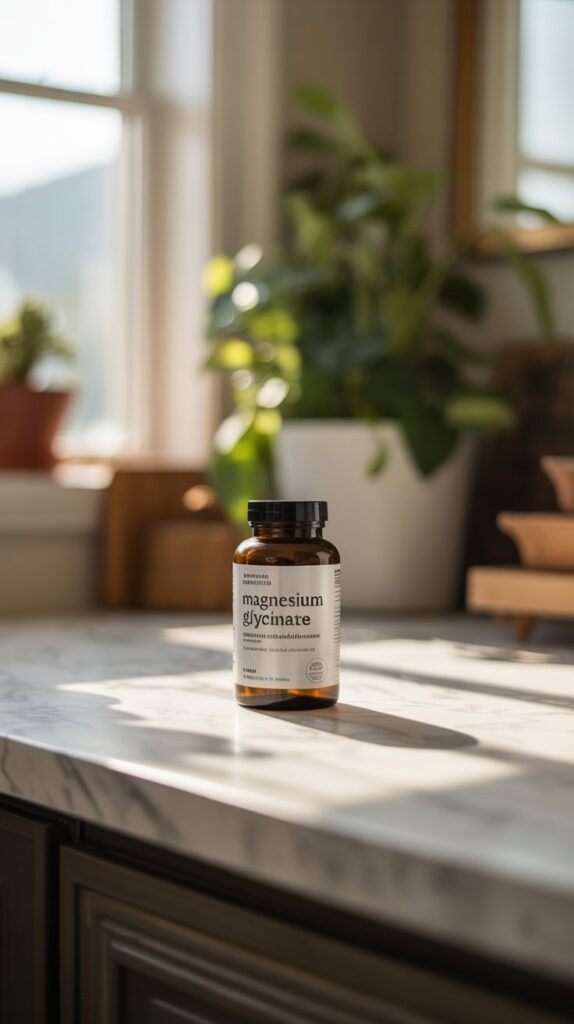
Magnesium glycinate stands out as the top choice for relaxation. This form binds magnesium to glycine, an amino acid with its own calming properties. Together, they support sleep improvement and anxiety relief without the digestive issues that plague other forms.
This is the brand I get every month from Amazon. Magnesium Gylcinate They help me sleep better and no more leg cramps!
The glycine component enhances GABA activity in your brain, amplifying the relaxation response. This combination makes magnesium glycinate particularly effective for insomnia treatment and mental health support.
Magnesium citrate offers good absorption but can cause diarrhea at higher doses. Many people use it specifically for that laxative effect, which makes it less ideal when your goal is calmness and stress relief.
Magnesium oxide appears cheap but delivers poor absorption rates. Your body struggles to use this form effectively, meaning most of it passes through without providing meaningful nervous system support.
Other options worth considering:
Magnesium threonate crosses the blood-brain barrier effectively, supporting cognitive function and mental clarity. Research shows promise for brain health, though it costs more than other forms.
Magnesium taurate combines magnesium with taurine, an amino acid that supports heart health and nerve function. Athletes often choose this form for muscle relaxation and recovery.
Magnesium malate pairs well with energy production, making it useful when fatigue accompanies stress. This form supports physical performance while maintaining energy levels throughout the day.
What’s the Right Magnesium Dosage for Stress and Sleep?

Daily magnesium intake recommendations range from 310-420mg for adults, depending on age and sex. Women typically need 310-320mg daily, while men require 400-420mg.
Start low if you’re new to supplementation. Begin with 200mg of magnesium glycinate taken 30-60 minutes before bed. This timing supports your natural sleep cycle without causing morning grogginess.
Gradually increase to 400mg if needed, split between evening and bedtime doses. Your body absorbs magnesium better in smaller amounts throughout the day rather than one large dose.
Watch for magnesium side effects as you adjust dosage. Nausea, abdominal cramping, and loose stools signal you’ve exceeded your personal tolerance. These symptoms typically resolve when you reduce intake.
Certain factors affect magnesium absorption. Vitamin D enhances uptake, while phytates in grains can inhibit it. Taking magnesium with food improves tolerance but may slightly reduce absorption compared to an empty stomach.
Can You Combine Magnesium with Other Relaxation Techniques?

Magnesium supplements work better when paired with lifestyle practices that support nervous system health. Think of supplementation as one tool in a comprehensive stress management approach.
Deep breathing exercises activate your parasympathetic nervous system, the rest-and-digest mode that counteracts stress. Combine this with adequate magnesium levels, and your body responds more effectively to relaxation cues.
Mindfulness meditation trains your brain to recognize and reduce anxiety triggers. Regular practice enhances the mental clarity and emotional regulation that magnesium supports at the cellular level.
Physical movement helps too. Yoga practice, tai chi, and progressive muscle relaxation all benefit from proper magnesium status. These activities work synergistically with supplementation to promote tension release and peacefulness.
Herbal supplements like valerian root, chamomile, and passionflower complement magnesium’s effects. L-theanine, found in herbal teas, promotes calmness without drowsiness. These natural sleep aids can enhance mood stabilization and anxiety reduction when used appropriately.
Are There Risks or Side Effects to Consider?

Magnesium supplements are generally safe when used appropriately, but hypermagnesemia (excessive magnesium) can occur with extremely high doses. This condition is rare in healthy individuals but requires medical attention.
Kidney disease patients must consult healthcare providers before supplementing. Impaired kidney function prevents proper magnesium excretion, increasing toxicity risk.
Magnesium supplement interactions affect certain medications. Antibiotics, blood pressure drugs, and osteoporosis medications may interact with magnesium. Take supplements at least two hours apart from these medications to prevent absorption issues.
Pregnancy and breastfeeding increase magnesium requirements, but appropriate dosage depends on individual circumstances. Work with a healthcare provider to determine safe supplementation levels.
Some people experience initial digestive adjustment when starting magnesium. This typically resolves within a few days as your body adapts to increased intake.
Making Magnesium Supplements in Relaxation Work for You

The connection between magnesium supplements in relaxation and actual stress relief isn’t magic. It’s biochemistry working the way your body intended when properly supported.
Start with magnesium glycinate for its superior absorption and gentle effects. Give your body 2-4 weeks to build adequate stores before expecting dramatic changes. Consistency matters more than perfection here.
Pay attention to how you feel. Better sleep, reduced muscle tension, and improved stress response indicate your supplementation strategy is working. Adjust timing and dosage based on your individual response.
Consider testing magnesium levels if symptoms persist despite supplementation. Some people need higher doses due to genetic factors affecting absorption or increased requirements from chronic stress.
Remember that supplements work best as part of a holistic approach to wellness. Combine magnesium with adequate sleep hygiene, regular exercise, and stress management techniques for optimal results.
FAQs
How long does magnesium take to work for relaxation? Most people notice improvements in sleep and muscle tension within 1-2 weeks of consistent supplementation. Full benefits typically emerge after 4-6 weeks as your body replenishes depleted stores.
Can I take magnesium every day? Yes, daily supplementation is safe and often necessary to maintain adequate levels. Choose a well-absorbed form like magnesium glycinate to minimize side effects.
Does magnesium make you sleepy during the day? When taken at appropriate doses, magnesium promotes calmness without causing daytime drowsiness. Evening timing works best for sleep support.
What foods are high in magnesium? Dark leafy greens, nuts, seeds, whole grains, and legumes provide dietary magnesium. However, supplementation often becomes necessary when stress or soil depletion reduces food content.
Can magnesium help with anxiety attacks? Magnesium supports overall nervous system function and may reduce anxiety severity over time. It works best as preventive support rather than acute intervention during panic attacks.
Is magnesium glycinate better than citrate for sleep? Yes, magnesium glycinate offers superior absorption and additional calming effects from glycine without the laxative properties of citrate forms.

The Role of Magnesium Supplements For Relaxation

Breaking Down the Ketogenic Diet

The Role of Healthy Eating in Boosting Immunity

Healthy Pumpkin Cheesecake

What Is Cortisol Belly and How to Tame It

The Gut Healing Power of Bone Broth

10 Benefits of Whole Foods

Whole Foods That Aid in Digestion

Classic Deviled Eggs

When and How to Take Probiotic Supplements

Hot Spinach Artichoke Dip

Mini Pita Pizza Bites

Fix Your Gut With These Smart Food Swaps

Signs You Need Holistic Gut Health Solutions

Top Healing Foods That Fight Inflammation Naturally

No-Bake Trail Mix Energy Bites

Almond Butter Stuffed Dates

Tropical Mango Salsa Cups

Berry Greek Yogurt Bark

Crispy Baked Kale Chips

Vanilla Chia Pudding Parfait

Buffalo Cauliflower Bites

Crispy Roasted Chickpeas

No-Bake Peanut Butter Energy Balls

Spinach and Feta Stuffed Mushrooms Appetizers

Baked Sweet Potato Bites with Goat Cheese

Creamy Avocado Hummus You’ll Crave Again and Again

Delicious And Healthy Pumpkin Spice Oatmeal

Healthier Blueberry Almond Flour Muffins

Protein-Packed Chocolate Smoothie Bowl

Lentil and Mushroom Shepherd’s Pie

The Connection Between Healthy Eating and Optimal Brain Function

Activated Charcoal To Detox Your Body

The Connection Between Clean Eating and Clear Skin

The Connection Between Whole Foods and Hair Health

Grilled Salmon with Roasted Vegetables and Quinoa

How to Store and Preserve Your Supplements

Baked Chicken Breast with Sweet Potato and Steamed Broccoli

Adaptogenic Herbs and Spices 101

Herb-Crusted Pork Tenderloin

The Benefits and Risks of Fish Oil Supplements

Healthier Baked Mac and Cheese

Supplements for Hair Growth: What Works

Detoxing for Improved Respiratory Health

How Detoxing Can Improve Joint Health

Good Nutrition for Healthy Joints

Detoxing With Herbal Teas: What to Know

The Importance of Detoxing for Kidney Health

The Role of Good Nutrition in Wound Healing

The Role of Detoxing in Reducing Water Retention

Good Nutrition for Boosting Metabolism

The Importance of Detoxing in Reducing Inflammation

Hearty Mushroom and Barley Soup

Clean Eating and Its Impact on Mental Health

The Role of Detoxing in Weight Loss
When and How to Take Probiotic Supplements

The Importance of Breakfast in Good Nutrition

Baked Cod with Tomatoes and Capers

Whole Foods for Bone Health
