Gut Health
Signs You Need Holistic Gut Health Solutions
Ever get the feeling something’s just off in your body, but you can’t quite put your finger on it? That could be your gut trying to get your attention. When it comes to holistic gut health, the first step is learning to recognize the early signs and take gentle action to support your body.
A little bloating here, a dip in energy there, or brain fog that refuses to lift might not seem connected. But if your gut is struggling, these symptoms often appear together. Let’s walk through what your body might be trying to say and how you can support it in a more natural, whole-body way.
Your Digestion Is Hinting at Bigger Issues

Occasional bloating or stomach discomfort isn’t unusual, but if it’s become part of your daily routine, it’s time to take notice. Ongoing constipation, frequent gas, or irregular digestion are some of the most common ways your gut signals trouble.
These symptoms often point to an imbalance in your gut microbiome. If the bacteria in your digestive system are out of balance, your body has to work harder to process and absorb nutrients. That can leave you feeling sluggish, uncomfortable, and frustrated after meals.
Mental Fog and Mood Swings May Be Rooted in Your Gut

There’s a reason your gut is often called your “second brain.” The gut-brain connection is real, and when your gut is off, your mood and mental clarity usually take a hit.
You might feel scattered, anxious, or even emotionally flat without knowing why. A struggling gut can interfere with the production of neurotransmitters like serotonin, which influences your mood, focus, and sleep. If your mental health has felt fragile or foggy lately, your gut may be playing a bigger role than you think.
Skin, Allergies, and Immunity Tell Their Own Story
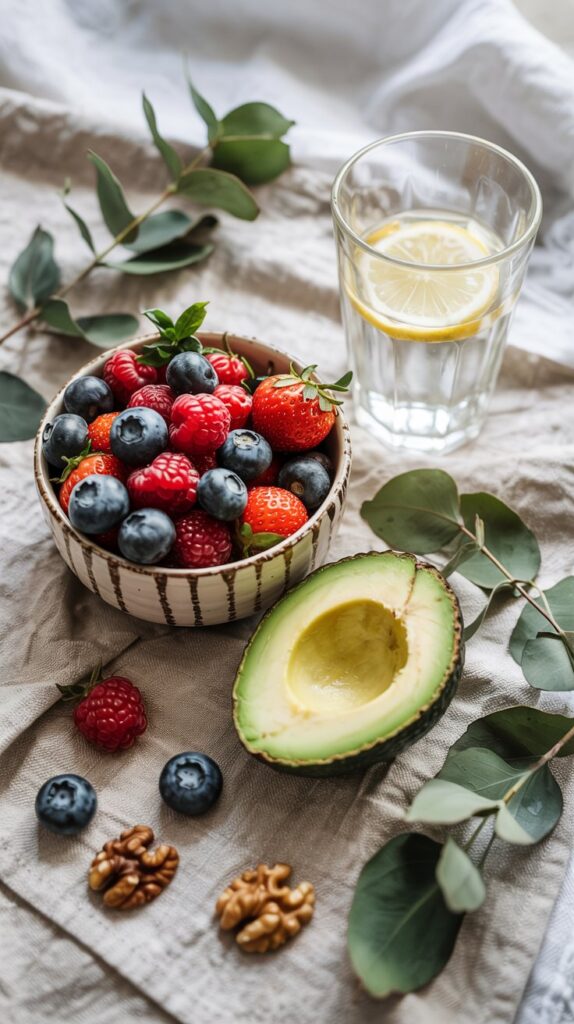
When your gut barrier is weakened, it can lead to something often called “leaky gut,” where tiny particles escape into the bloodstream and cause inflammation. That inflammation can show up in surprising ways, like rashes, acne, eczema, or sudden food sensitivities.
You may also find yourself getting sick more often or reacting more strongly to things like dust, pollen, or dairy. These are all signs that your immune system is overreacting, and your gut may be at the center of it.
Cravings, Energy Crashes, and Unexplained Weight Fluctuations

If you find yourself constantly craving sugar or carbs, feeling hungry again shortly after eating, or noticing unexplained changes in your weight, that might be a sign of gut imbalance too.
Certain bacteria actually feed on sugar and send signals that increase those cravings. Add in unstable blood sugar and weakened digestion, and your appetite, energy levels, and weight can all start to feel unpredictable.
How to Nourish Your Body Through Food
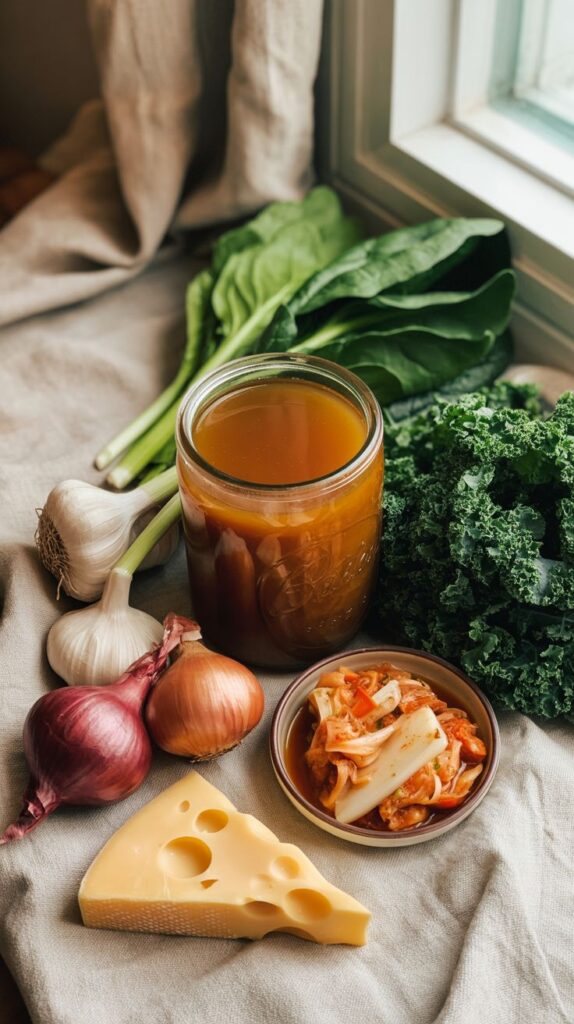
The good news is that small changes in your diet can make a big difference. A focus on holistic gut health means choosing foods that support both your digestion and your overall well-being.
Fermented foods like yogurt, kimchi, and sauerkraut help replenish good bacteria. Prebiotic-rich vegetables like onions, garlic, and leeks give those beneficial microbes something to feed on. Bone broth supports the gut lining, while fiber-rich leafy greens and colorful produce help keep everything moving in the right direction.
Take it slow, especially if your gut is already sensitive. Start by introducing one or two new gut-friendly foods at a time and pay attention to how your body responds.
Lifestyle Habits That Encourage Natural Healing

You don’t need a complete life overhaul to start healing your gut. Simple habits can have a powerful impact.
Prioritize sleep so your body can repair overnight. Gentle movement like walking or stretching helps digestion and reduces inflammation. Slow down during meals and chew thoroughly. Even five deep breaths before you eat can shift your nervous system into a more relaxed, digestive-friendly state.
And while supplements can help in certain cases, they shouldn’t replace the everyday choices that support healing from within.
When to Reach Out for More Support
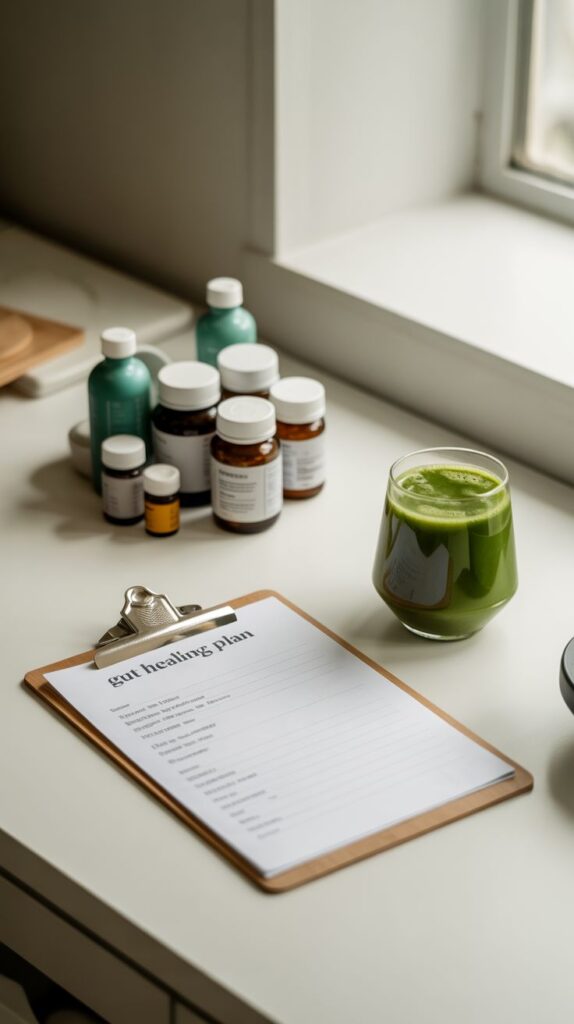
If your symptoms persist despite healthy changes, it may be time to speak with someone who specializes in gut health. A functional medicine doctor or integrative nutritionist can run appropriate tests and help you create a personalized plan.
They may also help uncover underlying issues such as food intolerances, SIBO (small intestinal bacterial overgrowth), or long-standing imbalances that need deeper care.
Why Holistic Gut Health Is Worth Prioritizing
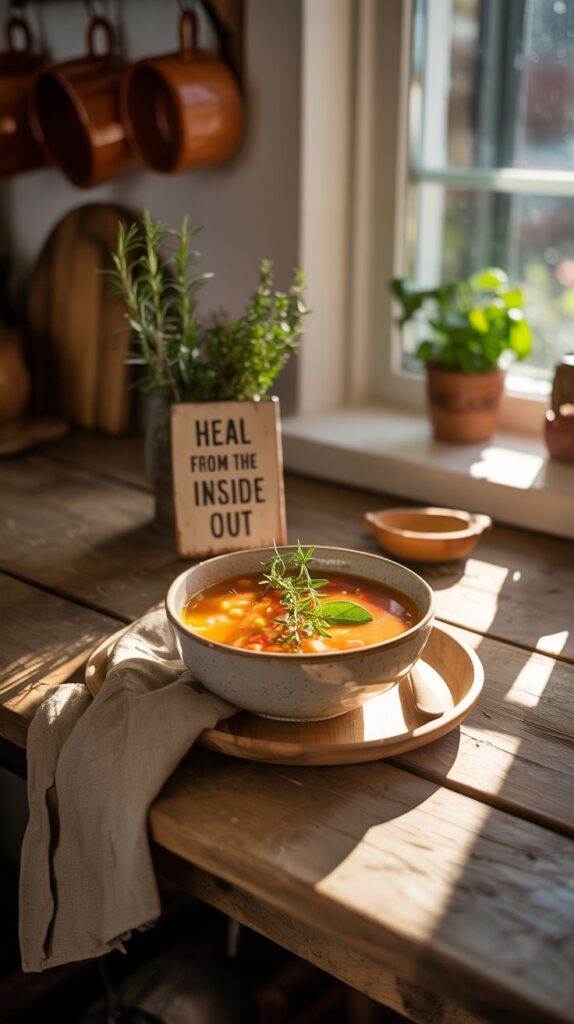
The signs your gut health needs help aren’t always loud, but they are persistent. Digestive issues, mood shifts, skin problems, and cravings often stem from the same root. The more you tune in, the more your body will guide you toward healing.
Holistic gut health isn’t about quick fixes. It’s about working with your body instead of against it, choosing real foods, slowing down, and creating habits that support long-term well-being. Your gut is one of your body’s greatest allies. Treat it like one.


Zucchini Pizza Boats

Veggie-Packed Egg Muffin Cups

The Role of Magnesium Supplements For Relaxation

Breaking Down the Ketogenic Diet

The Role of Healthy Eating in Boosting Immunity

Healthy Pumpkin Cheesecake

What Is Cortisol Belly and How to Tame It

The Gut Healing Power of Bone Broth

10 Benefits of Whole Foods

Whole Foods That Aid in Digestion

Classic Deviled Eggs

When and How to Take Probiotic Supplements

Hot Spinach Artichoke Dip

Mini Pita Pizza Bites

Fix Your Gut With These Smart Food Swaps

Signs You Need Holistic Gut Health Solutions

Top Healing Foods That Fight Inflammation Naturally

No-Bake Trail Mix Energy Bites

Almond Butter Stuffed Dates

Tropical Mango Salsa Cups

Berry Greek Yogurt Bark

Crispy Baked Kale Chips

Vanilla Chia Pudding Parfait

Buffalo Cauliflower Bites

Crispy Roasted Chickpeas

No-Bake Peanut Butter Energy Balls

Spinach and Feta Stuffed Mushrooms Appetizers

Baked Sweet Potato Bites with Goat Cheese

Creamy Avocado Hummus You’ll Crave Again and Again

Delicious And Healthy Pumpkin Spice Oatmeal

Lentil and Mushroom Shepherd’s Pie

Healthier Baked Mac and Cheese

Baked Chicken Breast with Sweet Potato and Steamed Broccoli

Herb-Crusted Pork Tenderloin

The Connection Between Healthy Eating and Optimal Brain Function

Activated Charcoal To Detox Your Body

Grilled Salmon with Roasted Vegetables and Quinoa

How to Store and Preserve Your Supplements

The Connection Between Clean Eating and Clear Skin

The Connection Between Whole Foods and Hair Health

Adaptogenic Herbs and Spices 101

Lentil and Tuna Salad

Baked Egg Cups with Spinach and Mushrooms

Baked Cod with Tomatoes and Capers

The Benefits and Risks of Fish Oil Supplements

Greek Salad with Grilled Chicken

Turkish Red Lentil Soup Recipe

Good Nutrition for Healthy Joints

Clean Eating for Hormonal Balance

Detoxing for Improved Respiratory Health
10 Benefits of Whole Foods

How Detoxing Can Improve Joint Health

Supplements for Hair Growth: What Works

Whole Foods for Bone Health

The Role of Good Nutrition in Wound Healing

The Importance of Breakfast in Good Nutrition

Detoxing With Herbal Teas: What to Know

The Role of Detoxing in Weight Loss

The Importance of Detoxing for Kidney Health